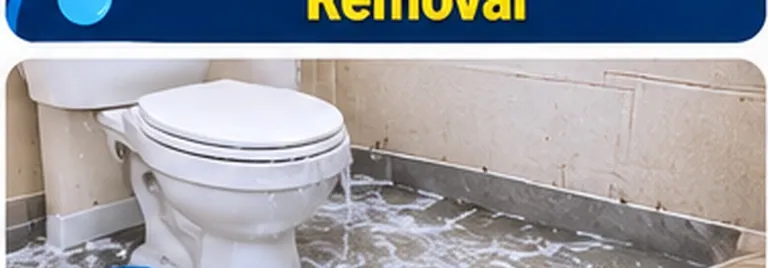
Is toilet overflow water sewage?
Yes, generally. Water from a toilet bowl that’s backed up can carry waste, so it’s handled as contaminated. Water from a tank that overflowed or a supply line that split is cleaner, and that changes the cleanup.
| What overflowed | Water type | What it means for cleanup |
|---|---|---|
| Supply line or tank (clean water) | Clean at first | Dry quickly; porous materials may be saved if caught fast |
| Bowl overflow from a simple clog | Gray to contaminated | Disinfect; porous materials often removed |
| Overflow from a main line backup | Contaminated | Treat as sewage. See sewage and sewer backup cleanup |
What do you do right now?
- Stop the flow. Lift the tank lid and push the flapper down, or turn the shutoff valve at the wall behind the toilet clockwise.
- Stop using the fixture. Don’t keep flushing. Check whether other drains or toilets in the home are backing up, which points to the main line.
- Keep contact to a minimum. Gloves and boots, and wash well afterward. Keep kids and pets out.
- Mind the electricity. Don’t touch outlets in a wet bathroom. Call an electrician or Con Edison if water reached them.
- Check below. If there’s a unit or room under the bathroom, look for ceiling stains and tell the people there.
- Photograph and call. Document the water, then call (929) 219-1202.
Why does a bathroom overflow do more damage than it looks like?
Because water from a toilet flows toward the low points: along the floor, under the vanity and baseboards, and down through the floor penetration around the toilet flange and pipes. Tile and grout don’t seal the subfloor. In a second-floor bathroom the water ends up in the ceiling below. In a first-floor bathroom over a cellar, it ends up in the basement.
What gets removed after a toilet overflow?
- Bath mats, rugs and any porous contents the water touched.
- Baseboards and sometimes the lower part of the wall if water wicked up it.
- Vanity toe-kicks and cabinet bases if they’re soaked.
- Vinyl or laminate flooring if water got underneath it.
- Subfloor, if it stays wet and can’t be dried.
Tile can usually be cleaned and disinfected, but the setting bed and subfloor under it need to be checked with a moisture meter.
When is it a plumbing problem, not just a clog?
If more than one fixture is backing up, if water comes up in a basement floor drain when you flush, or if it keeps happening, the problem’s past the toilet. A licensed plumber can camera the line. If heavy rain was involved and neighbors are affected, report it to 311, since city sewer backups are handled by the DEP. Plumbing work in NYC needs a licensed plumber; a restoration company handles the water, not the pipe.
Apartment buildings: who do you call?
The super or building manager first. A toilet overflow in an apartment can reach the unit below within minutes. Keep a written record of when you told the landlord, photos of the damage and any messages. That matters for insurance and for any dispute about responsibility.
Does insurance cover toilet overflow?
Sometimes. A sudden overflow from a household fixture is often treated differently from a sewer or drain backup, which is usually excluded unless you have an endorsement. The wording matters, so call your insurer and ask. Water damage mitigation explains the records to keep.
How much does toilet overflow cleanup cost?
We don’t quote prices. It depends on the water type, how many rooms and floors it reached, what has to come out and how long drying takes. A bathroom-only job with quick action is a different scale from an overflow that reached a ceiling and an apartment below. Ask for a written estimate.
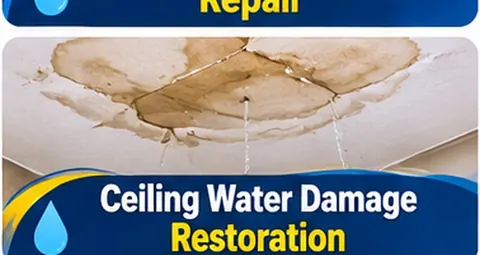
Call (929) 219-1202 for water damage cleanup in Richmond Hill after a toilet overflow. If the water reached the ceiling below, see ceiling water damage restoration.
Related services

Toilet overflowed?
Call Now to be connected with an independent provider in Richmond Hill.
Frequently asked questions
Can I clean up toilet overflow myself?
Small, clean-water spills, yes. If it was bowl water or spread beyond the bathroom floor, disinfection and checking the subfloor and ceiling below call for a professional.
How long can the water sit before it causes damage?
Damage starts right away on porous materials. The EPA says mold can generally be prevented if wet areas are dried within 24 to 48 hours.
Why is there water in my ceiling below?
Overflow water follows the floor penetrations and framing down. See ceiling water damage restoration.
Do I need a plumber too?
If more than one drain is backing up or it recurs, yes. A plumber fixes the pipe; a restoration provider handles the water.
Last reviewed November 8, 2026. General guidance only, not legal, insurance or engineering advice.