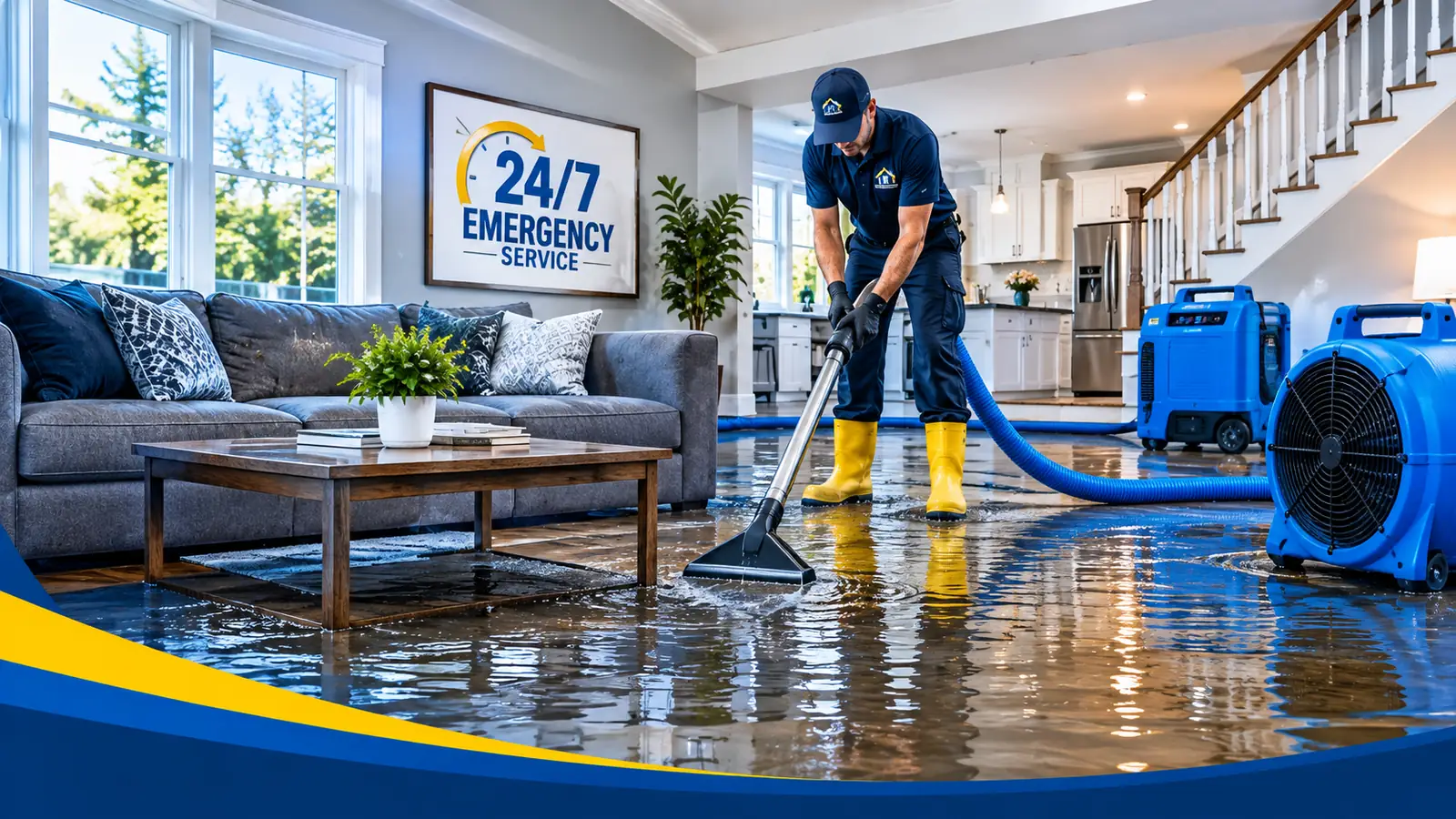
What counts as water damage restoration, and when should you call?
Water damage restoration is everything that happens between “water got in” and “the building is dry, clean and back to normal”: stopping the source, pulling out standing water, finding hidden moisture, drying the structure, cleaning or removing what got soaked, and rebuilding what couldn’t be saved. You call as soon as water is inside and you can’t stop it or dry it yourself within a day.
That one-day line matters. The EPA says mold can generally be prevented if wet areas are dried within 24 to 48 hours. After that you’re not just drying, you’re dealing with mold, and in New York that brings licensing rules into it. If water has been sitting in drywall, insulation or carpet since last night, call now rather than hoping a fan fixes it.
One thing up front: we are a referral service, not a restoration contractor. The companies we connect you with are independent local businesses. They do the work, set their own prices and answer for their own licenses, insurance and workmanship. More on that below.
What happens when you call
- You call. Give us the street, the ZIP code, and what happened. If anyone is in danger, tell us first.
- We ask a few questions. Where is the water coming from? How long has it been there? Is it clean water, storm water or sewage? House, apartment or business?
- We connect you. Depending on the time and availability, your call goes to an independent provider that works your area.
- They look at the damage. The provider tells you what they see, what the work involves and what it’ll likely cost. Price, schedule and guarantees are theirs.
- You decide. You’re never obligated to hire whoever we connect you with. Get it in writing and compare if you have time.
Which water damage service do you need?
People call us with a problem, not a service name. This is the quick map from what you’re looking at to the page that explains it.
| What you’re seeing | Most likely service | Why it’s different |
|---|---|---|
| Water pooled on a floor right now | Emergency water removal | Speed. Extraction first, everything else after. |
| Water in the cellar after rain | Basement flood cleanup | Below-grade water, stairs, utilities, pump-out. |
| Basement is dry but wrecked | Flooded basement restoration | The rebuild: framing, drywall, flooring, electrical. |
| Sewage from a floor drain or toilet | Sewage and sewer backup cleanup | Contaminated water, disinfection, 311, insurance gaps. |
| Pipe split or froze | Burst pipe water damage cleanup | Find the shutoff, then chase the water through the walls. |
| Water coming in at street level | Emergency flood cleanup | Ground-floor and storefront flooding from outside. |
| Roof leak, wind-driven rain, nor’easter | Storm water damage restoration | Entry points above the basement, tarping, attic and ceilings. |
| Toilet overflowed | Toilet overflow cleanup | Gray or black water in a bathroom, subfloor and ceiling below. |
| Washer hose burst or drain backed up | Washing machine overflow cleanup | Usually gray water, usually fast and wide. |
| Brown stain or sag on a ceiling | Ceiling water damage restoration | Water from above, plaster or drywall, light fixtures. |
| Soft, bubbling or stained walls | Drywall water damage repair | Cut, dry, replace, finish. |
| Dry now, need everything fixed | Water damage repair | Scope, contract and sequence for the whole repair. |
| Need the loss documented for insurance | Water damage mitigation | The emergency work an insurer expects, with records. |
| Walls feel damp days later | Structural drying services | Moisture readings, equipment, drying logs. |
| Not sure how far it spread | Water damage inspection and assessment | Meters, thermal imaging, a written scope. |
| Musty smell or visible growth | Mold remediation after water damage | New York’s 10-square-foot licensing rule. |
| Store, restaurant or office | Commercial water damage restoration | Downtime, landlords, health rules, after-hours work. |
Why do Richmond Hill basements take on water?
Mostly because heavy rain can outrun the combined sewer system, older plumbing fails, and a lot of homes here have finished space below street level. None of those is unique to Richmond Hill, but together they make basement and sewage calls the ones that matter most.
Here’s what the reporting says. In October 2026 the Queens Chronicle reported that more than 100 residents of Kew Gardens and Richmond Hill signed a petition about sewage and stormwater surging into their homes during storms on May 20 and August 20, 2026. The affected stretch ran from Audley Street to Jamaica Avenue. The city’s Department of Environmental Protection said its inspections found the system working as expected, and that city sewers are built to handle roughly 1.5 to 1.75 inches of rain per hour. The National Weather Service logged hourly rates of 1.5 to 2 inches in parts of Queens on May 20.
You don’t have to settle that argument to protect yourself. If water comes up through a floor drain or basement toilet, call 311 to report it. The DEP says it inspects within six hours of a 311 complaint, though heavy rain can slow it down. That report doesn’t get a single wet carpet out of your house, so you’ll still need cleanup. Start with sewage and sewer backup cleanup, then see storm water damage restoration for what the 2026 storm season looked like and how to get ahead of the next one.
ZIP codes 11418 and 11419: what’s different?
Richmond Hill has two ZIP codes and they don’t behave the same. North Richmond Hill (11418) is the older Victorian side near Forest Park and Park Lane South, with wood-frame houses, the Jamaica Avenue el and the Kew Gardens border. South Richmond Hill (11419) is the Liberty Avenue and Atlantic Avenue side, Little Guyana, with dense blocks, busy storefronts and the A train overhead.
Why it matters: a 1900s wood-frame house with plaster walls dries differently from a masonry storefront, and the person you need on the phone changes with it. Tell us the cross streets when you call.
What should you do in the first hour?
- Get people and pets out of any room with sewage, rising water or electrical risk.
- Stop the source if you safely can: main water valve for a pipe, nothing for a sewer backup.
- Keep clear of water near the panel, outlets and appliances. Con Edison handles electric emergencies in Queens, and National Grid handles gas.
- Take photos and video of the water, the damage and the source.
- Lift valuables, papers and electronics onto dry surfaces.
- Call (929) 219-1202 and, if the city sewer is involved, 311.
That’s the short version. Emergency water removal covers what the first crew will actually do, and water damage mitigation explains how to document it.
What does water damage restoration cost in Queens?
We don’t quote prices because providers set their own and every job is different. Anybody who gives you a flat number over the phone without knowing the water type and square footage is guessing. What moves the price:
- Water category: clean, gray or sewage-contaminated.
- How many square feet and how many materials are wet, and for how long.
- How much drywall, insulation, carpet or flooring has to come out and be hauled away.
- How many days drying equipment runs and how often someone takes readings.
- Emergency or overnight response, and tight access (walk-up, no parking, a cellar door off the alley).
- Whether the estimate covers the rebuild or only the dry-out.
Ask for a written estimate that lists those items separately. Water damage repair explains how to read the rebuild side of an estimate.
Does insurance cover water damage in New York?
| Cause of water | Standard homeowners policy | What to look for |
|---|---|---|
| Sudden pipe burst or appliance failure | Often covered | Sudden and accidental discharge wording |
| Slow leak or seepage | Often excluded | Gradual damage and maintenance exclusions |
| Sewer or drain backup | Usually excluded unless added | A water backup endorsement or rider |
| Flood from outside | Excluded | Separate flood policy; NFIP takes 30 days to start |
Most standard homeowner policies don’t include sewer backup unless you added it, and the residents in the 2026 Kew Gardens and Richmond Hill reporting said their insurance did not cover their costs. Call your insurer and ask which category your loss falls into before you sign anything. Water damage mitigation covers the records an insurer wants.
How do you vet a restoration company in New York?
Some providers we connect callers with may be licensed, insured and certified, and some may not be. Check before you sign:
- NYC home improvement license. In New York City, anyone doing residential repair or remodeling work over $200 needs a Home Improvement Contractor license from the Department of Consumer and Worker Protection (DCWP). It doesn’t cover plumbing or purely electrical work. Ask for the number and confirm it with the city.
- Mold license. Mold work over 10 square feet needs a state-licensed contractor, and the assessor and remediator must be separate. See mold remediation after water damage.
- Plumbing. A broken pipe is repaired by a licensed plumber, not a restoration crew.
- Insurance. Ask for proof of liability coverage.
- Certification. The IICRC sets the standards most restoration companies follow. Ask which certifications the crew on your job actually holds.
- Paperwork. Get a written estimate and contract, plus photos, moisture readings and a drying log for your insurer.
How does our referral service work, and who pays us?
Richmond Hill Water Damage Pros is a referral service. When you call, we ask a few questions and connect you with an independent provider that serves your location. We may receive compensation from participating providers for calls or referrals. That doesn’t add a fee to you from us and it doesn’t obligate you to hire anyone. Read more on the about page or the privacy and call disclosure.
All water damage services in Richmond Hill
 Emergency water removal
 Basement flood cleanup
 Flooded basement restoration
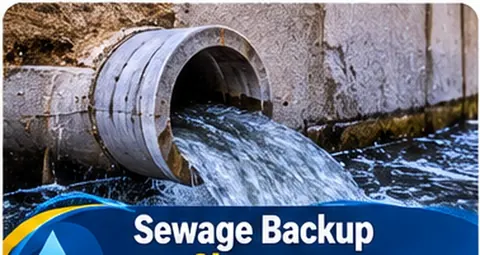 Sewage and sewer backup cleanup
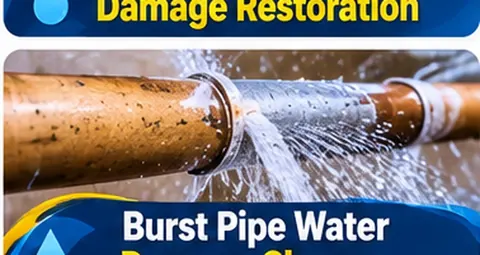 Burst pipe water damage cleanup
 Emergency flood cleanup
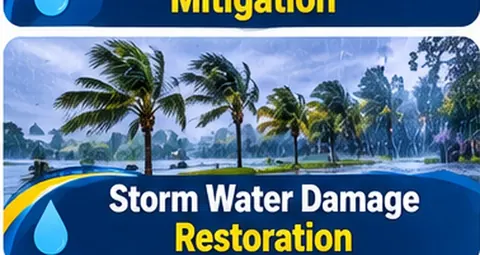 Storm water damage restoration
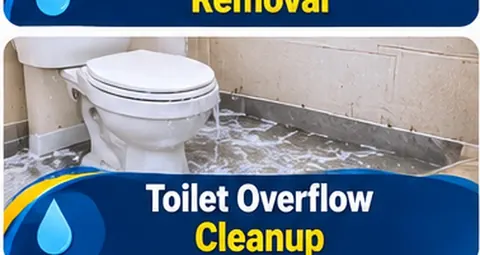 Toilet overflow cleanup
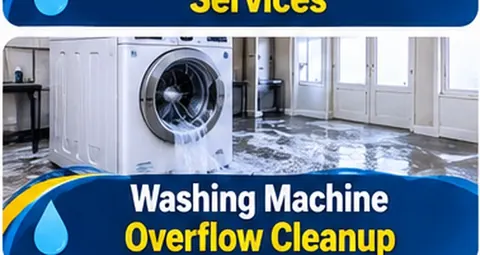 Washing machine overflow cleanup
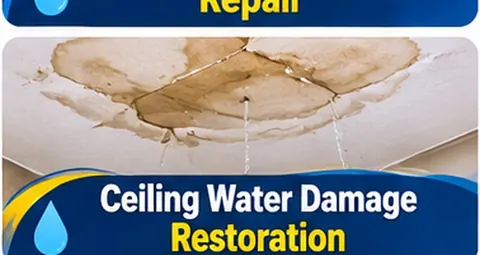 Ceiling water damage restoration
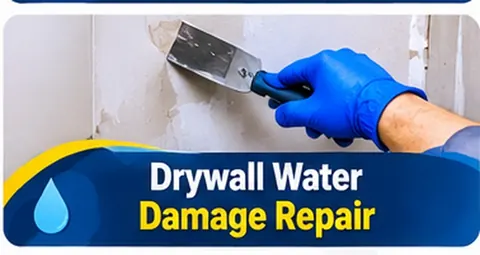 Drywall water damage repair
 Water damage repair
 Water damage mitigation
 Structural drying services
 Water damage inspection and assessment
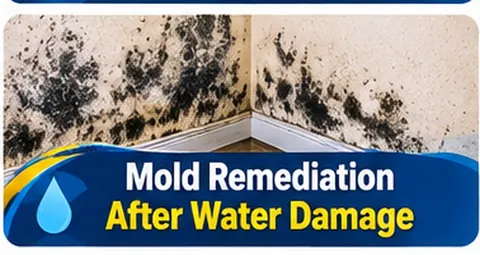 Mold remediation after water damage
 Commercial water damage restoration
Ready to get water out of your Richmond Hill property?
Mold can start in 24 to 48 hours on wet materials, so the cheapest hour is the first one. Call (929) 219-1202, tell us the cross streets and what happened, and we’ll connect you with an independent provider that may be able to help.
Water in your home or business?
Call Now. Tell us the street, the ZIP code and what happened.
Sources and further reading
- Queens Chronicle: Sewer backup blues in Kew Gardens, RH (Oct. 8, 2026)
- NYC DEP: Sewer backup
- NYC DCWP: Home Improvement Contractor license checklist
- NYS Department of Labor: Mold licensing FAQ
- U.S. EPA: Mold
Frequently asked questions
How much does water damage restoration cost in Richmond Hill?
There’s no single price. It depends on the water type, the square footage, how much material has to be removed, how many days drying takes and whether the rebuild is included. Providers set their own rates, so ask for a written estimate that breaks those items out.
How fast do I need to get water out?
As fast as you can. The EPA says mold can generally be prevented if wet areas are dried within 24 to 48 hours, so don’t wait to see whether things dry on their own.
Who do I call for a sewer backup in Queens?
Call 311 to report a backup that isn’t caused by your own plumbing, and the DEP will inspect. The report doesn’t clean anything up, so you also need a restoration provider. Call (929) 219-1202 to be connected with one.
Does homeowners insurance cover a sewage backup in New York?
Usually not unless you added a water backup endorsement or rider. Flood damage typically needs a separate flood policy. Read your policy and call your insurer.
Is mold removal regulated in New York?
Yes. Under Article 32 of the state Labor Law, mold projects over 10 square feet need licensed professionals, and the assessor and remediator must be independent of each other. See mold remediation after water damage.
Do I need a licensed contractor for water damage repairs in NYC?
For residential repair or remodeling work over $200, New York City requires a Home Improvement Contractor license from DCWP. Plumbing and purely electrical work are licensed separately. Ask for license numbers.
Do you cover both 11418 and 11419?
Yes. We take calls from both Richmond Hill ZIP codes. See North Richmond Hill, 11418 and South Richmond Hill, 11419. Availability varies by location and time of day.
Are you the company that does the work?
No. We’re a referral service. Independent local providers do the work, and you’re never obligated to hire the one we connect you with.
Last reviewed November 8, 2026. General guidance only, not legal, insurance or engineering advice.