
How do you stop the water right now?
- Find the main shutoff. In many houses it’s where the water line enters, often in the cellar near the meter. In an apartment building, call the super or landlord immediately.
- Cut the power if you can do it safely. If water is falling near light fixtures, outlets or the panel, don’t stand in water to reach the breaker. Call Con Edison or an electrician.
- Open a faucet or two. After the shutoff, drain the lines so less water comes out of the break.
- Protect belongings. Lift valuables and electronics out of the path and get furniture off wet carpet.
- Photograph everything. The pipe, the water and the damage.
- Call two people. A licensed plumber for the pipe, and (929) 219-1202 for the restoration.
Why do pipes burst in Richmond Hill homes?
- Freezing. Supply lines in exterior walls, unheated cellars, attics and over garages freeze during cold snaps. Ice expands, splits the pipe, and the water often shows up when it thaws.
- Age. Many houses here are decades old. Corroded supply lines and failed fittings give way without warning.
- Water heaters. A tank that starts leaking can empty into a cellar before anyone notices.
- Bad repairs and pressure. Poor solder, loose connections and high pressure all cause sudden failures.
A pipe that’s frozen but hasn’t split: don’t use a torch or open flame. Open the faucet slightly, warm the area gently, and call a plumber.
What happens when the water reaches the neighbors?
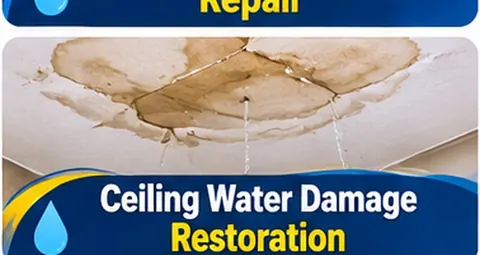
In attached houses and apartment buildings a burst pipe doesn’t stay put. Water runs down through floor cavities and collects above the drywall in the ceiling below, then breaks through. Don’t stand under a bulging ceiling. It may be holding a lot of water. Tell the people below and the building manager at once. Bring up who’s responsible early: the answer depends on the source, the lease and the policies involved.
How do you clean up after a burst pipe?
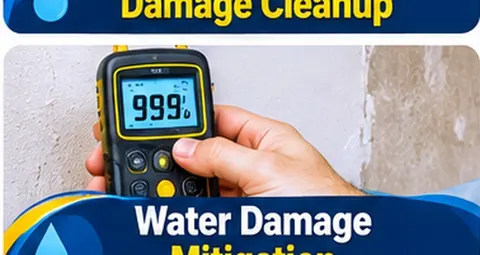
- Map the wet area. Moisture meters check walls, floors and ceilings past what you can see.
- Extract the water. From floors, carpet and anywhere it’s pooled.
- Open what’s trapped. Wet ceiling drywall and insulation may be cut out, and wall bottoms opened so cavities can dry.
- Dry and monitor. Air movers and dehumidifiers until readings hit the target. See structural drying services.
- Document. Photos, readings and a line-item estimate.
Do you need a plumber and a restoration crew?
Usually. The plumber replaces the pipe; the restoration crew removes the water and dries the building. Fixing the pipe doesn’t dry the walls. In New York City, plumbing is licensed separately from home improvement work, so a restoration company shouldn’t be doing your pipe repair unless it also has the plumbing license.
Is a burst pipe covered by insurance?
Often yes, for sudden and accidental discharge, but not always. Slow leaks and long-term seepage are commonly excluded, and most policies expect you to take reasonable steps to limit more damage. Call your insurer promptly and keep your receipts. Water damage mitigation covers documentation.
How do you prevent frozen and burst pipes?
- Know where your main shutoff is, and make sure everyone in the house does too.
- Insulate exposed pipes in cellars, crawl spaces and exterior walls.
- During hard freezes, let a faucet drip and open cabinet doors under sinks.
- Replace old washing machine hoses and check water heaters for rust and leaks.
- Keep the heat on if you’re away in winter.
What does cleanup cost?
We don’t quote prices. The cost follows how long the water ran, how many floors and rooms it reached, how much drywall and flooring has to come out, equipment days and timing. Get a written estimate.
For Richmond Hill water damage restoration after a burst pipe, call (929) 219-1202. A leak from a washer is a smaller version of the same problem, covered in washing machine overflow cleanup. If the water came through a ceiling, see ceiling water damage restoration. North Richmond Hill’s older wood-frame houses see more freeze-related failures.
Related services

Pipe burst and water spreading?
Shut off the main valve, then Call Now to be connected with an independent provider.
Frequently asked questions
What should I do first when a pipe bursts?
Shut off the main water valve, stay away from electrical hazards, move valuables out of the water’s path, take photos, then call a plumber and a restoration provider.
Is a burst pipe covered by homeowners insurance?
Often, if it was sudden and accidental. Slow leaks and neglected maintenance are commonly excluded. Read your policy and notify the insurer quickly.
How long can wet drywall stay wet before mold grows?
The EPA says mold can generally be prevented if wet areas are dried within 24 to 48 hours. Don’t wait.
My ceiling is bulging. What now?
Stay out from under it. It may hold a lot of water and can collapse. Stop the source and have a professional relieve and dry it safely. See ceiling water damage restoration.
Last reviewed November 8, 2026. General guidance only, not legal, insurance or engineering advice.