
Why isn’t a dry-looking building dry?
Because water that’s soaked into wood, plaster or concrete doesn’t wipe off. It sits inside and works its way out slowly. A floor can feel dry while the subfloor under it reads wet, and a wall can look fine with soaked insulation inside. Extraction removes liquid water; drying removes the moisture the building absorbed. The first is covered in emergency water removal.
How does the drying process work?
- Map the moisture. Meters and sometimes thermal imaging find wet materials, including those you can’t see.
- Set a goal. The crew picks a target by checking dry, unaffected materials in the same building as a reference.
- Remove what won’t dry. Soaked insulation, carpet pad and failed drywall come out so air can reach the framing.
- Set equipment. Air movers across surfaces, dehumidifiers to take moisture out of the air, and in some cases cavity drying through small holes.
- Monitor daily or regularly. Readings on the same spots, with equipment adjusted as areas dry.
- Verify and remove equipment. Final readings at target before anything’s taken out.
What equipment do crews use?
| Equipment | What it does | Note |
|---|---|---|
| Air movers | Push air across wet surfaces to speed evaporation | Placed to move air in one direction across a room |
| Low-grain refrigerant (LGR) dehumidifiers | Pull moisture out of the air | Standard in most jobs; run with the space closed |
| Desiccant dehumidifiers | Dry air using an absorbent wheel | Used in cold spaces or specialty cases |
| Moisture meters | Measure moisture in materials | Pin and pinless types |
| Thermal imaging cameras | Show temperature differences that may indicate wet areas | A guide, not a measurement of moisture |
| Hygrometers | Measure temperature and humidity in the air | Used to track drying conditions |
How long does structural drying take?
Often several days, though it can be shorter or longer. It depends on how much water, what materials, the temperature and humidity, and how fast extraction began. Drying is done when readings reach the target, not on a fixed day. Be skeptical of anyone who promises a specific number of days before measuring.
What materials are hard to dry?
- Hardwood floors: can cup and buckle; specialized mats sometimes help.
- Plaster and lath: found in older homes; dries slowly.
- Plywood subfloor: can swell and delaminate if it stays wet.
- Wall cavities: need airflow, often through small openings.
- Concrete slab: holds water for a long time and dries slowly.
Older wood-frame houses, common in North Richmond Hill, can be harder to dry than modern construction because of layered finishes and old flooring.
What should a drying log show?
- Photos of the affected areas before, during and after.
- Starting readings with locations noted.
- Regular readings on the same spots with dates.
- Equipment placed, with dates and run times.
- Final readings at the dry target.
Ask for this. It’s your proof that the building is dry, and insurers often want it. It’s also your protection against paying for a repair over wet framing.
What should you do while equipment runs?
- Don’t turn equipment off or unplug it, even if it’s noisy.
- Keep kids and pets away from machines and cords.
- Follow the crew’s advice on doors, windows and heat.
- Report a musty smell or visible growth right away.
- Expect higher electric use. Ask the provider what to expect.
Does drying prevent mold?
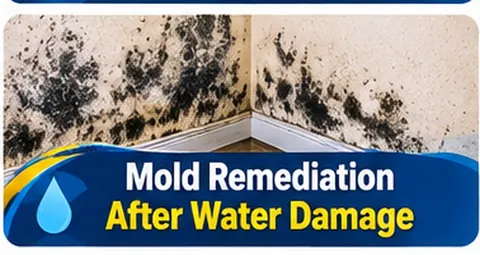
It’s the best prevention. The EPA says mold can generally be prevented if wet areas are dried within 24 to 48 hours. If growth has already started, see mold remediation after water damage.
How much does structural drying cost?
We don’t quote prices. Cost follows the number of rooms, the equipment and days, how many readings are taken, and any tear-out. Ask for equipment counts and expected days in writing, and understand that days may change with readings.
For water damage restoration with proper drying, call (929) 219-1202. A first look at how far the water went is on water damage inspection and assessment.
Related services


Wet walls or floors?
Call Now to be connected with an independent provider that does structural drying in Richmond Hill.
Frequently asked questions
How do I know my home is dry?
Ask for moisture readings at the start and on later visits, and the target level. Drying is done when readings reach that target.
Why do the machines run for days?
Moisture inside framing and subfloors comes out gradually. Rushing it can leave hidden moisture that grows mold.
Can I dry it myself with fans?
For a tiny clean-water spill, maybe. For larger or hidden water, consumer equipment usually isn’t enough, and you won’t know if the cavities are dry.
Are thermal cameras enough?
No. They help find wet areas, but meters confirm moisture levels.
Last reviewed November 8, 2026. General guidance only, not legal, insurance or engineering advice.