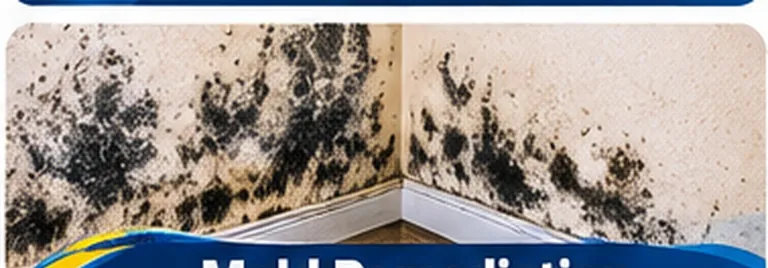
How fast does mold grow after water damage?
The EPA says mold growth can generally be prevented if wet areas are dried within 24 to 48 hours. After that, wet drywall, insulation, carpet, wood and cardboard can start growing it. Cellars are the worst place for it: cool, still air and slow drying. That’s why fast extraction and drying matter, covered in structural drying services.
What are the signs of mold?
- A musty, earthy smell in a cellar or closet that got wet.
- Visible spots or fuzz in white, green, gray, brown or black on walls, ceilings, baseboards or stored items.
- Peeling or bubbling paint and stained drywall.
- Warped wood.
- New allergy-like symptoms indoors, though symptoms alone don’t confirm mold.
What does New York’s mold law require?
Article 32 of the state Labor Law sets licensing and work standards for mold assessment and remediation.
| Topic | What the rule says |
|---|---|
| Which jobs are covered | Mold projects over 10 square feet. Routine cleaning and ordinary repairs done for other purposes aren’t counted. |
| Who can do the work | If you hire someone to assess or remediate over 10 square feet, they must hold a New York State mold license. The state doesn’t require you to clean up mold, but it regulates who may do the job for hire. |
| Independence | The assessor and the remediation contractor must be independent of each other on a project. Assessment, remediation and post-remediation assessment are separate steps. |
| Checking a license | The state Department of Labor has a public search tool for licensed mold contractors. |
| NYC buildings with 10 or more units | City rules require owners to use licensed, independent assessors and remediators for projects over 10 square feet, with city filings handled by those professionals. |
This is general information, not legal advice. Because of the independence requirement, a company that dries your property may not also be allowed to assess and remediate mold on the same project. Ask how they handle it.
What should you do right now?
- Fix the moisture source first. Mold returns if the leak continues.
- Dry wet materials fast, or remove them if they can’t be dried.
- Don’t scrub or sand visible growth. It spreads spores.
- Don’t paint over mold or cover it with new flooring.
- Date and photograph the area for your records.
- If it might be over 10 square feet, ask about a licensed assessor.
How is mold actually remediated?
- Assessment. A licensed assessor inspects, samples where appropriate and writes a plan.
- Containment. Plastic barriers and filtered air machines keep spores from spreading.
- Removal. Contaminated porous materials such as drywall and insulation come out and are bagged.
- Cleaning. Hard surfaces and framing that can be saved are cleaned, often with HEPA vacuuming.
- Drying. The area is dried so it doesn’t come back.
- Post-remediation assessment. A licensed assessor, independent of the remediator, checks the result.
Can you test your own mold?
Home kits can tell you spores exist, which they do almost everywhere, but they can’t tell you how much you have or how to remove it. In New York, a regulated assessor writes the plan. Save the money for the assessment.
What if you rent?
Tell the landlord in writing and keep copies. If it isn’t fixed, tenants can report it to the city by calling 311. Mold complaints in apartment buildings can trigger inspections. For legal help, contact a tenant legal services organization or attorney.
What does mold remediation cost?
We don’t quote prices. It depends on the area, materials, containment, whether the job is over 10 square feet and needs separate licensed assessor and remediator, and fixing the moisture source. Get each licensed professional’s number and a written scope.
What should you ask a mold provider?
- Do you hold a New York State mold license, and what is the number?
- Do you assess, remediate or both? If both, how do you meet the independence rule?
- Will I get a written plan and a separate post-remediation assessment?
- How will you contain the work area?
- What does the estimate include?
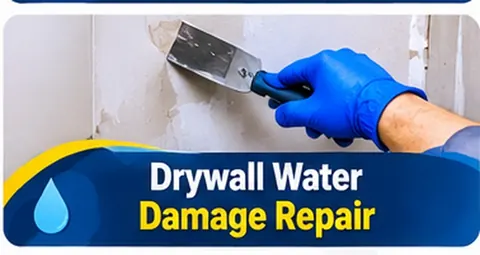
Some providers we connect callers with may hold the right licenses, and some may not, so confirm. For water damage restoration providers in Richmond Hill, call (929) 219-1202. Mold often shows up behind drywall; see drywall water damage repair, and in cellars after basement flood cleanup.
Related services

Mold after a flood or leak?
Call Now to be connected with an independent provider, and ask for license numbers before you hire.
Sources and further reading
- NYS Department of Labor: Mold licensing FAQ
- NYS Department of Labor: Hiring a mold assessor or remediator
- U.S. EPA: Mold
Frequently asked questions
How long does mold take to grow after a flood?
It can start within 24 to 48 hours on materials that stay wet, per EPA guidance. Fast drying is the best prevention.
Do I need a licensed professional for mold in New York?
If you hire someone to assess or remediate over 10 square feet, they must be state-licensed. The state doesn’t require you to clean up mold yourself.
Can the same company assess and remove mold?
Not on the same project. The assessor and remediator must be independent.
How do I check a mold contractor’s license?
Use the licensed mold contractor search tool on the NYS Department of Labor website and ask for the number.
Last reviewed November 8, 2026. General guidance only, not legal, insurance or engineering advice.