
Where did the basement water come from?
| Source | Clues | Water type |
|---|---|---|
| Rain and groundwater seepage | Water at wall cracks, the floor joint, window wells or the stair hatch after rain | Storm or ground water; treat as contaminated until proven otherwise |
| Supply line or water heater | Sudden water, hissing, a wet ceiling above, a tank sitting in a puddle | Clean at first |
| Sump or ejector pump failure | Pump silent or alarming, water rising in the pit | Ground water, or wastewater if it’s an ejector pit |
| Sewer backup | Water from floor drains or basement toilets, sewage smell | Contaminated. See sewage and sewer backup cleanup |
If you can’t tell, assume it’s contaminated. Floor drains in Queens basements tie into the same system that backed up into homes from Kew Gardens to Richmond Hill during the May 20 and August 20, 2026 storms.
Why is pumping out a basement not as simple as it sounds?
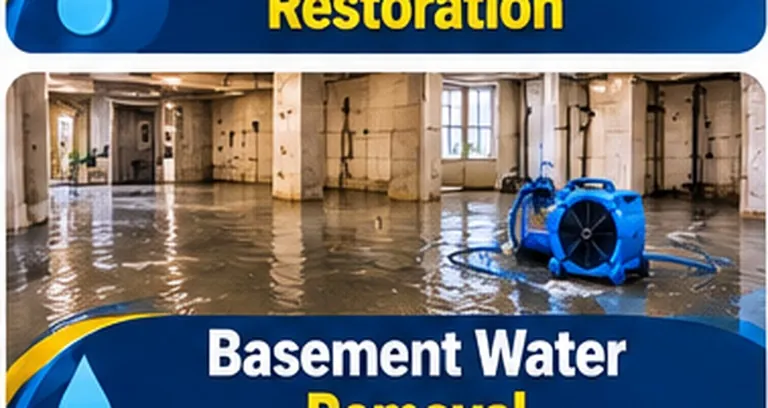
Because the ground around the foundation is full of water too. Pump a basement dry too fast while the soil outside is saturated and the pressure difference can push water back through the walls, or in rare cases stress the foundation. Professionals often remove water in stages and check the water level against the weather. That’s why basement water removal is a job for a crew with trash pumps and experience, not a rented wet vac.
What should you do first in a flooded basement?
- Stay out if water is near the panel, outlets, a boiler or a water heater. Call Con Edison or an electrician about power.
- Never run a gas-powered pump or generator indoors. Carbon monoxide builds fast in a closed cellar.
- Photograph the water line, damaged items and the source before moving anything.
- Move documents, electronics and valuables upstairs only if the stairs are safe.
- Shut off the main water valve if a pipe or heater is the source.
- Call (929) 219-1202 to be connected with a basement water removal provider.
Finished basement or bare cellar: what changes?
An unfinished cellar with a concrete floor is mostly pumping, cleaning and drying. A finished basement is a different animal. Carpet and padding, wall paneling, drywall, insulation and cabinets all absorb water and hide it. The surface can look dry on day two while the wall cavity is still soaked. Crews pull baseboards, drill or cut wall bottoms where needed, and put drying equipment behind the walls. The rebuild afterward is its own project; see flooded basement restoration.
Is a basement apartment riskier in a flood?
Yes. City officials urged people in basement apartments to keep an emergency bag packed during the summer 2026 flash flood warnings, and the city opened safe locations people could go to. If water is entering a living space, get out first and deal with the property after. Tenants should tell the landlord in writing right away and keep photos and dates for insurance and any housing complaint.
How does basement flood cleanup work?
- Safety check. Electrical hazards, gas appliances, water type, structural issues.
- Water removal. Pumps and extractors take out the standing water, staged if the ground is saturated.
- Tear-out. Wet carpet, pad, soaked drywall and insulation, and ruined contents get cut out and hauled away.
- Cleaning and treatment. Surfaces get cleaned and treated. If sewage was involved, disinfection is part of this step.
- Drying. Air movers and dehumidifiers run for days while someone takes readings. See structural drying services.
- Records. Photos, readings and an itemized scope for your insurer.
What can be saved from a flooded basement?
- Hard, non-porous items like metal tools, plastic bins and glass usually clean up.
- Papers, photos and electronics need drying or specialist handling quickly, ideally within a day or two.
- Mattresses, upholstered furniture and carpet that sat in contaminated water are generally discarded.
- Solid wood furniture can sometimes be dried; particleboard and laminate swell and rarely recover.
How much does basement flood cleanup cost?
We don’t quote prices. The big variables are water depth and type, square footage, how much of the finish has to come out, equipment days and whether the work happens at night. Ask for a written estimate that splits water removal, tear-out, drying and any disinfection.
How do you keep the next one out?
- Ask a licensed plumber about a backwater valve. The DEP recommends homeowners consider one, and you shouldn’t use basement fixtures while it’s closed.
- Test the sump pump, and ask about a battery backup if you have a pit.
- Keep nearby catch basin grates clear and report clogged ones to 311.
- Check window wells, hatchways and downspouts for places that send water toward the foundation.
- Keep stored items off the floor and consider a water sensor.
If you want local water damage restoration that starts with a pump-out, call (929) 219-1202. Our home page explains how we work as our Richmond Hill referral line. The same water that fills cellars also comes from the street; see emergency flood cleanup.
Related services



Basement under water?
Call Now to be connected with an independent basement water removal provider in Richmond Hill.
Frequently asked questions
Can I pump out my basement myself?
Small amounts, sometimes. Don’t if water is near electrical equipment, if it may be sewage, or if the ground is saturated. Never run gas equipment indoors.
How long does it take to dry a flooded basement?
Often several days, depending on how much finish got wet, temperature and equipment. Ask for moisture readings so you know when it’s actually dry.
Is a flooded basement covered by homeowners insurance?
It depends on the cause. A sudden plumbing failure is often covered; sewer backup and flood usually need separate coverage. Check your policy.
Why does the basement smell musty days later?
Wet materials are still holding water. Call for an assessment before the smell turns into visible growth. See mold remediation after water damage.
Last reviewed November 8, 2026. General guidance only, not legal, insurance or engineering advice.