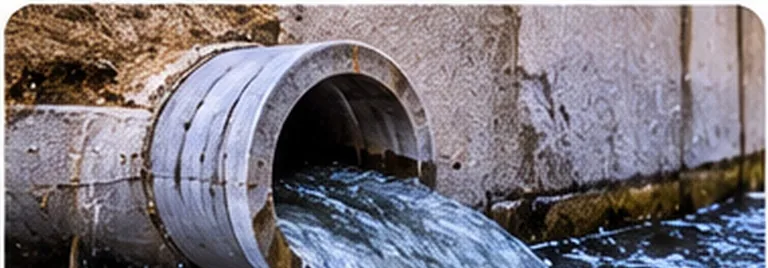
How do you know it’s a sewer or sewage backup?
- Water or sewage coming up through a basement floor drain, toilet, tub or shower.
- Gurgling in drains or toilets during or right after heavy rain.
- A sewage smell in the cellar.
- Several drains slowing at once, not just one clogged sink.
- A water level that rises and falls with the rain, which points at the city sewer instead of your own pipe.
What do you do in the first hour?
- Get people and pets out. Keep kids, older adults and anyone with a weak immune system away.
- Avoid contact. Don’t wade in without protection. Wash hands thoroughly after any contact.
- Watch the electricity. Don’t touch outlets, appliances or the panel if water is near them. If you can’t reach the breaker from a dry spot, call Con Edison or an electrician.
- Stop using the plumbing. Don’t flush or run water in affected fixtures; it just feeds the backup.
- Call 311 if the city sewer is the cause. The DEP says it will inspect within six hours of a 311 complaint, though heavy rain can cause delays.
- Document, then call. Photos and video first. Then call (929) 219-1202.
Is it the city’s sewer or your own pipe?
The DEP’s guidance is to call 311 for a backup that isn’t caused by conditions inside your own plumbing. Roughly: if only your house backs up and it happens in dry weather, suspect your own line, which a plumber can camera-inspect. If it happens during heavy rain, or neighbors are affected, the city system is more likely. Either way, the water in your basement is contaminated and needs the same cleanup.
This isn’t theoretical here. In October 2026 the Queens Chronicle reported a petition from more than 100 Kew Gardens and Richmond Hill residents after sewage and stormwater came through floor drains, toilets and showers during the May 20 and August 20, 2026 storms, from Audley Street to Jamaica Avenue. The DEP said its findings show the system working as expected and that city sewers handle 1.5 to 1.75 inches of rain per hour. Residents said backups used to come every few years and 2026 brought two within months.
How does professional sewage cleanup work?
- Assess and contain. Hazard check, protective gear, and sealing off the work area where needed.
- Extract the contaminated water. Pumps and extractors.
- Remove what absorbed it. Carpet, pad, insulation and wet drywall are cut out and bagged.
- Clean and disinfect. Hard surfaces, framing and floors that can be saved.
- Dry and monitor. Air movers and dehumidifiers with readings. See structural drying services.
- Deodorize and document. Odor treatment comes after cleaning. Keep photos and readings for the insurer.
| Material | Typical handling |
|---|---|
| Carpet and padding | Removed and discarded |
| Drywall and insulation that got wet | Usually removed, often to a height above the water line |
| Tile, sealed concrete, sealed hard surfaces | Cleaned and disinfected in place |
| Wood framing and subfloor | Cleaned, treated and dried unless badly saturated |
| Upholstery, mattresses, stuffed items | Discarded |
| Plastic, metal, glass | Cleaned and disinfected |
What are the health risks?
The DEP warns that floodwater and sewer backup water may contain sewage and germs, and that direct contact can infect eyes, skin and the digestive tract, which is why thorough cleaning and disinfecting matter. Keep children, pets and vulnerable people out until the area’s been cleaned.
Will insurance cover sewage backup?
Often not. Most homeowner policies exclude sewer backup unless you added a water backup endorsement or rider. NYC officials have noted this, and the Kew Gardens and Richmond Hill residents in the Chronicle report said insurance didn’t cover their costs. Call your insurer and ask. The coverage table and documentation checklist are on water damage mitigation.
How do you prevent the next backup?
The DEP recommends homeowners consider a backwater valve. It closes when sewer water rises and blocks it from entering through basement plumbing. If you have one, don’t use basement toilets, sinks or drains while it’s closed, because the water has nowhere to go. A licensed plumber can tell you whether a valve suits your house. One Kew Gardens resident told the Chronicle the valve and cleanup cost him about $10,000, which is one reason to check insurance first.
How much does sewage cleanup cost?
We don’t quote prices; providers set their own. The drivers are the area affected, how much carpet, drywall and insulation comes out, disinfection, disposal, drying days and after-hours work. Ask for a written estimate.
For water damage restoration and sewage cleanup in Richmond Hill, call (929) 219-1202. Calls come from North Richmond Hill, near where the reported backups clustered, and from South Richmond Hill too. If the water is from rain on the street, see emergency flood cleanup.
Related services
Sewage in your basement?
Call Now to be connected with an independent sewage cleanup provider in Richmond Hill.
Sources and further reading
Frequently asked questions
Is sewage in my basement an emergency?
Yes. It’s a health hazard and soaks into porous materials fast. Get people out, avoid contact, report a city sewer problem to 311 and call a professional.
Can I clean up sewage myself?
Not past a very small area. Sewage water carries germs, and carpet and drywall usually have to be removed, which takes protective gear and disposal.
Will the city clean up after a backup?
A 311 report prompts a DEP inspection, which isn’t a cleanup. You’ll arrange cleanup yourself. Any claim against the city or insurer has its own procedures and deadlines, so ask your insurer or an attorney.
How long does sewage cleanup take?
Extraction and tear-out can take a day or two, and drying often adds several more days. The provider should give you a realistic timeline after assessing.
What’s the difference between sewage backup and sewer backup?
Nothing practical. Both mean wastewater coming back into the building. The cleanup is the same, and so is the health risk.
Last reviewed November 8, 2026. General guidance only, not legal, insurance or engineering advice.